Iran's Strategic Grip on the World's Most Critical Oil Passage
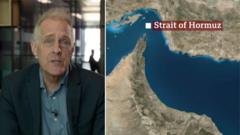
The Strait of Hormuz has long been considered one of the most strategically significant waterways on the planet, and the geography of Iran's mountainous coastline plays a central role in why that remains the case. As BBC News correspondent Paul Adams explains, the physical terrain of the region makes navigating this vital shipping channel an extraordinarily dangerous undertaking.
Stretching between the Persian Gulf and the Gulf of Oman, the Strait of Hormuz serves as the primary passage for a significant portion of the world's seaborne oil trade. Its narrow width means that vessels transiting the channel are operating in close proximity to Iranian territory at virtually all times during their passage.
Iran's rugged, mountainous coastline along the strait provides the country with a commanding military and strategic vantage point that few other nations enjoy over their neighboring waterways. The terrain allows for the positioning of surveillance systems, missile batteries, and naval assets in elevated positions that offer sweeping oversight of everything moving through the channel below.
This geographic advantage has historically given Tehran considerable leverage in its diplomatic and military posturing toward the West, particularly during periods of heightened tension over the country's nuclear programme. The implicit threat of disrupting oil flows through the strait has repeatedly featured as a backdrop to international negotiations.
The strait itself presents inherent navigational challenges even without factoring in geopolitical tensions. The combination of heavy maritime traffic, relatively shallow waters, and strict shipping lanes creates conditions that demand constant vigilance from vessel crews and maritime authorities.
For energy markets and global economies, the strategic importance of the Strait of Hormuz cannot be overstated. Any disruption to shipping through this narrow passage would send immediate shockwaves through oil prices worldwide and affect energy supplies across multiple continents. Adams' analysis serves as a timely reminder of how geography and geopolitics remain inextricably linked in one of the world's most closely watched regions.