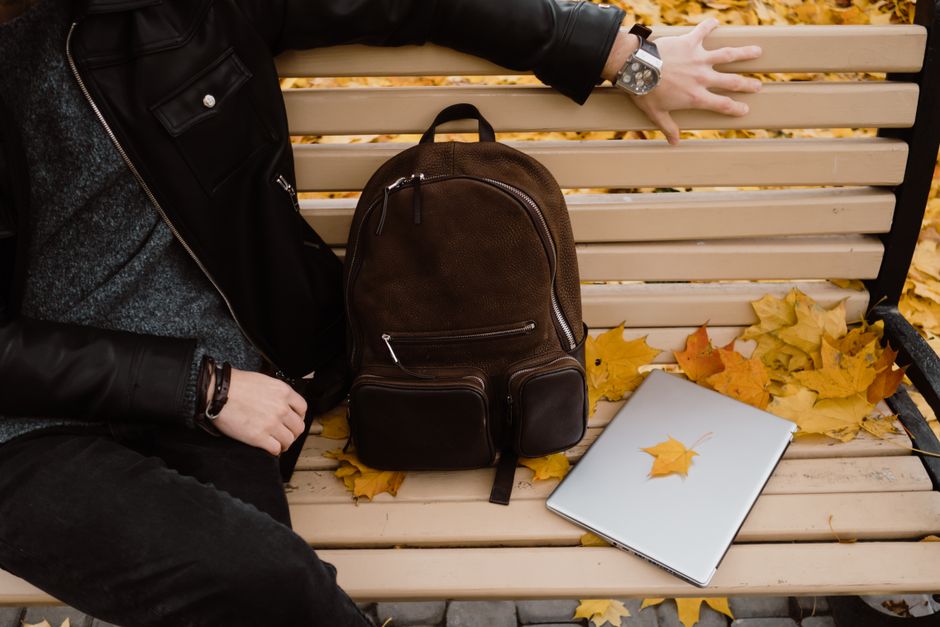
Wired has published its 2026 roundup of the best laptop backpacks for work and travel, presenting a curated set of recommendations drawn from hands-on testing across categories of comfort, carrying capacity, and internal organization.
The timing is worth noting. Gear roundups of this kind rarely arrive without a context, and in this case the context is a consumer electronics market that has shifted meaningfully over the past several years. Laptops have grown heavier at the premium end as manufacturers pack in larger batteries, more aggressive cooling systems, and bigger displays aimed at creators and remote professionals. At the same time, the normalization of hybrid work has blurred the line between a commuter bag and a travel bag, creating demand for a single carry solution that can handle a Tuesday morning subway ride and a Thursday flight with equal grace. The backpack industry, quietly worth tens of billions of dollars globally, has responded with a wave of products that attempt to solve all of these problems simultaneously, sometimes successfully and sometimes with the kind of overengineered excess that adds weight before a single item is packed.
The players in this space fall into a few recognizable camps. There are the legacy outdoor brands that built their reputations on hiking and mountaineering and have steadily migrated toward urban carry, bringing with them genuine expertise in harness systems and load distribution but occasionally struggling with the aesthetics that office environments demand. There are the direct-to-consumer brands, many of which emerged in the 2010s on crowdfunding platforms with a single hero product and have since expanded into full lines. And there are the premium lifestyle brands that price their bags as fashion objects first and functional tools second, sometimes justifying that premium and sometimes not. Wired's approach of testing across this landscape rather than treating any single tier as the default is one reason roundups from established technology publications carry more weight than manufacturer marketing.
The organizational question is where bags most often fail users in practice. A laptop sleeve that positions the machine incorrectly relative to the wearer's back, a water bottle pocket that forces awkward reaching, a charging pass-through that works on paper but tangles cables in use — these are the details that distinguish a bag someone carries happily for five years from one that ends up at the back of a closet within months. The suggestion in Wired's framing, that the wrong bag can create daily friction, reflects something that industrial designers and ergonomics researchers have documented repeatedly: small repeated annoyances accumulate into genuine stress responses over time. A bag is not a neutral object.
The likely consequences of a roundup like this fall on several groups. For consumers in the market for an upgrade, it functions as a decision shortcut with credibility that advertising cannot replicate. The brands that receive favorable placement in a Wired tested roundup typically see measurable traffic and sales lifts, a dynamic the industry is well aware of. This creates some tension worth acknowledging: major publications and the brands they cover exist in an ecosystem of advertising relationships, review units, and affiliate commerce, and readers are best served when they understand that these relationships exist even as editorial and commercial operations are kept separate.
For the broader market, the signal from a roundup like this is also diagnostic. The categories Wired chose to organize around, work, travel, and the space between, suggest that the hybrid carry bag has become a dominant consumer archetype rather than a niche. When editorial teams at major publications build their organizational logic around a product behavior, it is usually because that behavior has already become widespread enough to be legible to a general audience. The likely reading here is that the briefcase and the dedicated travel pack are continuing their slow retreat in favor of the single versatile backpack as the default professional carry object.
What to watch in the coming months is whether any of the brands featured in this roundup use the placement to drive broader market positioning, and whether competitors respond by accelerating their own product development or by seeking similar editorial visibility. The backpack market has historically moved in cycles tied to back-to-school and holiday retail, but the professional carry segment increasingly operates on a longer upgrade cycle driven by product quality rather than seasonal impulse. If the bags highlighted here perform well in sustained user conditions, the feedback will eventually show up in the next generation of product design from brands that pay close attention to what their best-regarded competitors are getting right.