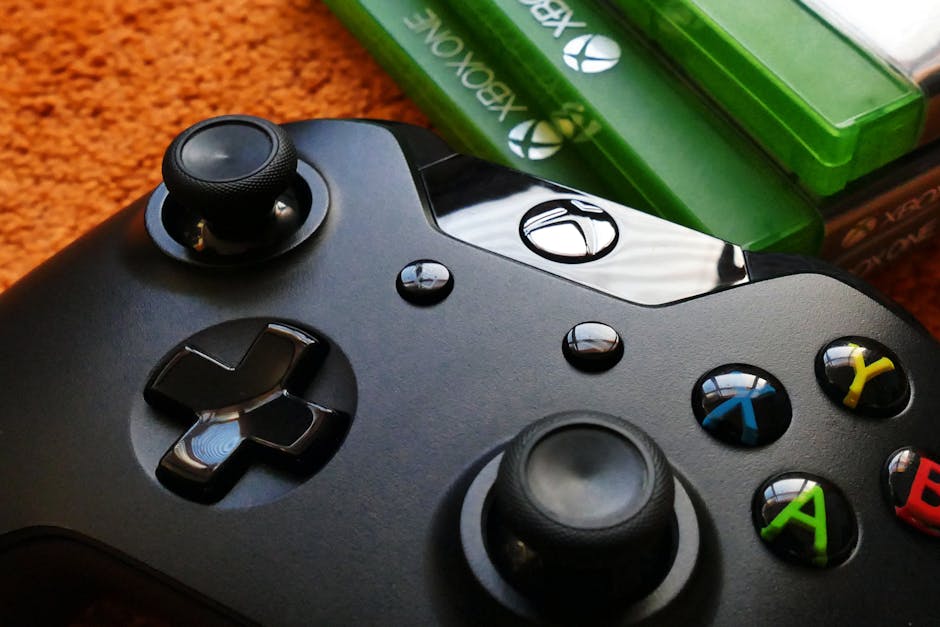
The Verge has published a newsletter piece characterizing Xbox as a disaster, painting a bleak picture of Microsoft's gaming division against the backdrop of what the publication describes as a troubled state across the video game industry more broadly.
To understand why that assessment carries weight, it helps to trace how Microsoft arrived at this moment. The company entered the current console generation with enormous ambition, spending nearly seventy billion dollars to acquire Activision Blizzard in what became one of the largest deals in the history of entertainment. The logic was straightforward enough: content would be the differentiator. If Microsoft could load its Game Pass subscription service with enough compelling titles, consumers would follow. Hardware market share, where Xbox has long trailed Sony's PlayStation, would matter less if the subscription itself became the destination.
That thesis has run into serious friction. The games industry, which experienced an extraordinary boom during the pandemic years, has since contracted sharply. Studio closures, mass layoffs, and cancelled projects have become a recurring drumbeat across the sector, and Microsoft has not been immune. The company shut down several studios it had only recently acquired, a decision that drew significant criticism and raised genuine questions about whether the acquisition strategy had any coherent creative vision behind it. Spending aggressively to buy talent and then eliminating that talent is difficult to explain to players, to developers, or to investors.
The hardware picture has not improved the story. Xbox consoles have consistently sold at a fraction of PlayStation's numbers this generation, and Microsoft itself has gradually stopped publishing sales figures, which is rarely a sign of confidence. The company has responded by leaning further into its multiplatform ambitions, releasing games on PlayStation and Nintendo platforms that were once held up as exclusives intended to justify owning an Xbox console. The strategic logic of that shift is defensible — reach more players, sell more games, grow Game Pass — but it does create a messaging problem. If Xbox games appear everywhere, the question of why someone would buy an Xbox console becomes harder to answer.
Game Pass itself, the subscription service that was supposed to be the foundation of Microsoft's gaming future, has shown signs of strain. Price increases have tested subscriber patience, and the service's value proposition depends entirely on the quality and cadence of new releases, which requires a healthy, productive studio system. The studio closures complicate that dependency in ways that are still working their way through the pipeline.
The Verge's framing matters partly because of the audience it reaches and the moment it arrives in. Trade sentiment, developer confidence, and consumer perception all feed on one another in the games industry. A sustained narrative of dysfunction can make it harder to attract top creative talent, can spook partners considering Game Pass deals, and can discourage the kind of long-term platform investment that building a gaming audience requires. Microsoft is not without resources — it remains one of the most cash-rich companies on earth — but money has not yet translated into a commanding position in games, and the gap between the investment made and the results visible to players and analysts remains striking.
The consequences fall on several groups at once. Developers, particularly those at studios operating within the Xbox ecosystem, face continued uncertainty about which projects will receive support and which will be wound down. Independent studios considering exclusivity or early-access deals with Microsoft must weigh the platform's shrinking console audience against the reach of a multiplatform strategy. Players who have invested in the Xbox ecosystem face the reasonable concern that the platform's commitment to exclusive, high-quality experiences may continue to erode. And Sony, which has navigated its own challenges this cycle, likely finds its competitive position strengthened simply by the contrast.
For Microsoft's leadership, the likely reading is that the next twelve to eighteen months represent a critical window. The company has several high-profile titles in various stages of development, and their reception will go a long way toward determining whether the gaming press and the player base are willing to revise the current narrative. A run of well-reviewed, commercially successful releases would not solve every structural problem, but it would reframe the conversation considerably.
What to watch for next is relatively clear. The performance of Xbox's upcoming software slate will be the most immediate test. Beyond that, any further studio restructuring — closures, new acquisitions, or leadership changes — will signal whether Microsoft is still searching for its strategy or has settled on one. The Game Pass subscriber numbers, if Microsoft ever chooses to share them more transparently, would tell a story that no amount of press positioning can override. And if the multiplatform push accelerates further, the question of what Xbox actually is as a platform, rather than a publishing label, will become unavoidable.


