White House Staff Barred From Placing Bets on Prediction Markets
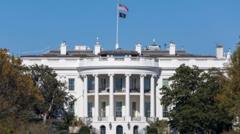
White House staff have been instructed not to place wagers on prediction markets, as the gambling platforms continue to surge in popularity among the general public. The directive reflects growing concerns about the potential conflicts of interest that could arise when government employees have financial stakes tied to political and world events.
Prediction markets, which allow users to place bets on the likelihood of future events ranging from election outcomes to international conflicts, have seen a significant rise in their user base in recent years. Some platforms have expanded their offerings to include wagers on sensitive geopolitical matters, raising ethical questions about who should be permitted to participate.
The concern surrounding White House staff participation is particularly acute given that government employees often have access to privileged or classified information that could provide them with an unfair advantage over ordinary bettors. The intersection of insider knowledge and financial gain presents a serious ethical dilemma that the administration appears determined to address.
Prediction markets have long been viewed by some economists as useful tools for forecasting outcomes, as they aggregate the collective wisdom of participants who put real money behind their predictions. However, critics argue that allowing bets on sensitive topics such as armed conflicts crosses an important moral line.
The instruction to staff underscores the broader challenge governments face as these platforms become increasingly mainstream. While prediction markets operate legally in various jurisdictions, their rapid growth has outpaced regulatory frameworks designed to manage potential abuses.
This development is likely to prompt wider discussions about the appropriate boundaries for such platforms and whether further regulation is needed to prevent those with access to sensitive information from exploiting these markets for personal financial gain.