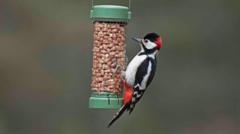
The Royal Society for the Protection of Birds has issued new guidance urging people to reconsider how they support garden wildlife, advising that using bird feeders during warmer months may actually do more harm than good.
The UK's largest bird charity has shifted its long-standing advice, suggesting that well-meaning bird lovers could inadvertently be hindering the natural behaviours that help wild bird populations thrive throughout the year.
The guidance marks a notable change in approach from an organisation that has long encouraged the British public to stock up their garden feeders. For decades, putting out seeds, nuts and fat balls has been considered a simple and effective way for households across the country to contribute to wildlife conservation.
The RSPB's updated stance reflects a growing understanding among conservationists that artificial feeding, while beneficial during the harsh winter months when food is naturally scarce, may interfere with the ecological balance during spring and summer. During warmer seasons, birds rely on foraging for natural food sources such as insects and berries, which provide essential nutrients for raising their young.
Experts have increasingly highlighted that supplementary feeding stations can sometimes discourage birds from seeking out the varied, natural diet they need to maintain healthy populations. There are also concerns around hygiene, as feeders left out in warmer conditions can harbour bacteria and disease more readily than in colder months.
The charity's new recommendations come at a time when many UK bird species continue to face pressure from habitat loss, climate change and declining insect populations. Conservation bodies have been working to encourage more natural approaches to garden wildlife management, including planting native species and creating wildlife-friendly spaces.
The RSPB is encouraging garden enthusiasts to instead focus on making outdoor spaces more naturally hospitable to birds year-round, ensuring that the drive to help local wildlife translates into genuinely positive outcomes for the species people hope to support.