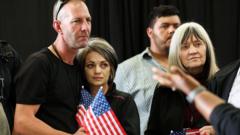
The United States has admitted 4,499 refugees since October, with the overwhelming majority coming from a single country. Of those accepted, all but three were South African, reflecting a dramatic shift in American refugee policy under President Donald Trump.
The figures underscore Trump's decision to prioritise Afrikaners, a white minority group in South Africa, whom he has claimed are facing persecution in their home country. The move represents a significant departure from traditional US refugee admissions, which have historically prioritised individuals fleeing conflict zones, political repression, and humanitarian crises across the globe.
Afrikaners are descendants of Dutch, German, and French settlers who arrived in southern Africa centuries ago. The group became politically dominant during South Africa's apartheid era, which formally ended in 1994. Trump and some of his allies have pointed to policies such as South Africa's land reform legislation as evidence of discrimination against white citizens.
South Africa has strongly rejected Trump's characterisation of the situation facing Afrikaners. The South African government has objected to the suggestion that its white minority population faces persecution, arguing that the country's democratic institutions and constitutional protections apply equally to all citizens regardless of race.
The near-total focus on South African refugees has drawn significant attention and criticism from immigration advocates and foreign policy observers, who argue that the approach politicises a humanitarian system designed to protect the world's most vulnerable people. Traditional top source countries for US refugee admissions have included nations experiencing war, famine, and widespread human rights abuses.
The Biden administration had worked to rebuild refugee admissions after Trump's first term saw caps lowered to historic lows. The current figures suggest the new administration has drastically narrowed the scope of who qualifies for protection under US refugee programmes, raising questions about the future of American commitments to international humanitarian obligations.