US Blockade of Iranian Ports Explained in Two Minutes
The United States has moved to impose a blockade on Iranian ports, a significant escalation in tensions between Washington and Tehran that has drawn international attention and raised questions about its practical implementation and potential consequences.
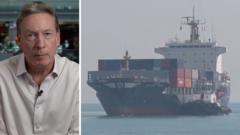
BBC security correspondent Frank Gardner has broken down exactly how the blockade will work, offering a concise explanation of the mechanisms and logistics behind one of the most consequential foreign policy moves in recent years.
A naval blockade of this nature would involve US warships and maritime assets positioning themselves to intercept and restrict vessels attempting to enter or leave Iranian ports. Such a measure is widely considered an act of war under international law, making the move a particularly bold and controversial step by the American administration.
Iran has long been a central focus of US foreign policy, with decades of tensions rooted in the 1979 Islamic Revolution, ongoing disputes over Tehran's nuclear programme, and American accusations of Iranian support for militant groups across the Middle East. Successive US administrations have sought to apply economic and diplomatic pressure on the Islamic Republic through a range of sanctions and international measures.
A blockade represents a significant hardening of that approach, moving beyond economic sanctions into direct military enforcement. The strategy could severely restrict Iran's ability to export oil and import essential goods, placing enormous pressure on an economy already strained by years of international sanctions.
Gardner's explanation comes as global observers, regional powers, and international bodies monitor the situation closely. The prospect of direct confrontation between US naval forces and Iranian vessels in the Persian Gulf and Strait of Hormuz, through which a significant portion of the world's oil supply passes, has raised alarm among energy markets and allied nations alike.
The full implications of the blockade, including how Iran and other regional actors will respond, remain to be seen as the situation continues to develop.