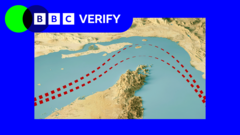
The first vessel has passed through the Strait of Hormuz following the United States' imposition of a military blockade on Iran's ports, marking a significant moment in what has become one of the most closely watched waterways in the world.
The development is being tracked closely by maritime analysts, governments, and energy markets around the globe, given the strait's enormous strategic importance to global trade and oil supply chains.
The Strait of Hormuz, a narrow waterway sitting between Iran and Oman, serves as the primary passage for a significant portion of the world's seaborne oil and liquefied natural gas exports. It is widely regarded as one of the most critical chokepoints in international maritime trade, with dozens of tankers and cargo vessels typically passing through it each day.
A US military blockade of Iranian ports represents a dramatic escalation in tensions between Washington and Tehran, raising immediate concerns about disruptions to global energy supplies and the broader implications for regional stability. Such a measure would mark one of the most significant moves in the long-running standoff between the two nations.
The passage of the first ship since the blockade took effect signals that maritime traffic, while subject to heightened scrutiny and uncertainty, has not been entirely halted. However, shipping companies, insurers, and energy firms are expected to be monitoring developments in the strait with extreme caution as the situation continues to unfold.
The international community has long expressed concerns about any conflict or disruption involving the Strait of Hormuz, given that a closure or sustained interference with shipping lanes could send shockwaves through global energy markets and economies worldwide. How events develop in the coming hours and days is expected to have far-reaching consequences well beyond the region.