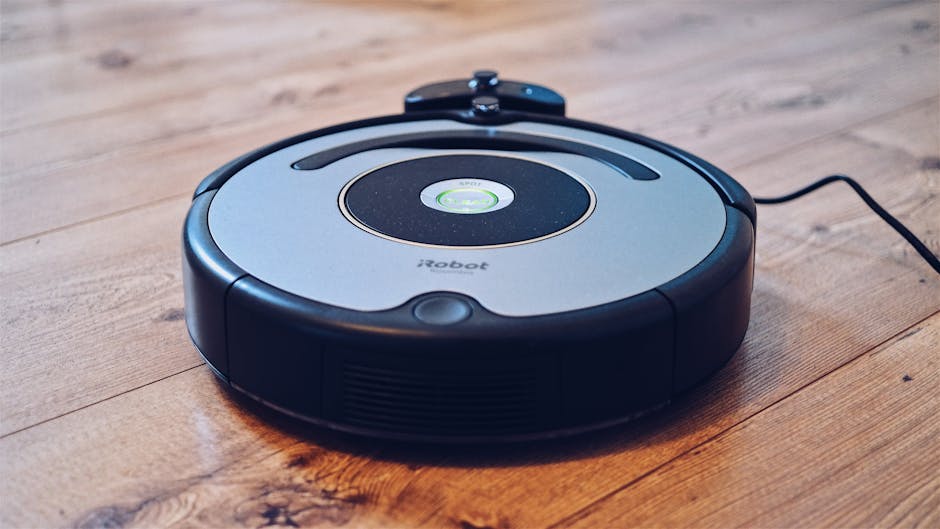
iRobot has announced a new flagship robot vacuum that physically seals itself to carpet surfaces during operation, according to The Verge. The company is showcasing the device at IFA in Berlin, marking its first significant trade show appearance in years, and it is doing so under new ownership — a contract manufacturer called Picea Robotics.
To understand why any of this matters, it helps to remember how far iRobot has fallen, and how strange a resurrection this represents. For most of the 2010s, iRobot and the Roomba were effectively synonymous with the robot vacuum category. The company invented the mass-market segment and spent years defending it through patents and brand recognition while rivals, mostly from China, steadily closed the gap. By the early 2020s that gap had largely disappeared. Brands like Roborock, Dreame, and Ecovacs had not only matched Roomba on core cleaning performance but surpassed it on navigation, mopping integration, and self-emptying dock technology. iRobot found itself in the uncomfortable position of being the category's founding name while no longer being its most innovative participant.
The Amazon acquisition attempt was supposed to solve that problem. Amazon announced a deal to purchase iRobot in 2022, a move that would have dropped Roomba technology into the broader Amazon smart home ecosystem and given iRobot the resources to compete more aggressively. European regulators killed it. The European Commission blocked the deal on competition grounds in early 2024, and iRobot was left exposed — without the capital the acquisition would have provided and without a clear strategic path forward. The company laid off a significant portion of its workforce in the aftermath and its future as an independent entity looked genuinely precarious.
Picea Robotics entering the picture changes the calculus considerably, though not in the way a Silicon Valley acquisition would have. Contract manufacturers occupy a specific and often underappreciated role in consumer electronics. They build the physical products that brand-name companies design and sell, accumulating deep expertise in manufacturing efficiency, supply chain management, and the engineering compromises that make devices producible at scale. When a contract manufacturer acquires a brand outright, it is typically making a calculated bet that it can translate production knowledge into product competitiveness — keeping costs tighter than a traditional consumer electronics company while maintaining enough brand equity to justify shelf space. The playbook has worked in other categories. Whether it translates to robot vacuums, which have become genuinely sophisticated autonomous devices requiring substantial software and sensor investment, is a different question.
The carpet-sealing feature itself is worth examining as a strategic signal. Robot vacuums have faced a persistent criticism that they clean less effectively than upright vacuums precisely because they cannot generate and sustain the kind of suction that requires a physical seal against the floor surface. Uprights seal against carpet pile mechanically; robots, moving freely across varied floor types, traditionally cannot. If iRobot has found a reliable way to create that seal dynamically, it would address one of the category's most stubborn complaints and give the new flagship a genuine differentiator at a moment when differentiation is badly needed. The likely reading is that Picea Robotics, with its manufacturing background, identified a specific engineering problem it believed it could solve and built a product launch around that solution rather than competing on the crowded terrain of mapping algorithms and dock features where Chinese rivals have significant momentum.
The consequences of this announcement ripple outward in a few directions. For consumers, a revived iRobot with serious engineering ambition is straightforwardly good news — more genuine competition in a category that has been consolidating around a handful of Chinese brands means more pressure on pricing and performance across the board. For retailers, iRobot still carries meaningful brand recognition in North American and European markets, and a credible flagship gives them something to merchandise against the Roborock and Ecovacs lineups that have increasingly dominated premium shelf space. For Picea Robotics, IFA is a coming-out moment: the company is signaling to the industry that it intends to be a brand owner, not merely a supplier, and that it believes the Roomba name retains enough value to anchor that ambition.
The harder question is whether one impressive feature and a trade show booth translates into commercial recovery. iRobot's challenges were never purely technological. Distribution relationships eroded during the uncertainty surrounding the Amazon deal and its collapse. Software investment lagged. Consumer perception drifted.
What to watch for in the coming months is whether the new flagship reaches retail with competitive pricing and whether Picea Robotics demonstrates the willingness to invest in the software and mapping capabilities that now define the premium tier of the category. A single novel mechanism, however clever, does not rebuild a brand. The more revealing indicator will be the company's second and third product announcements — whether this is a genuine product strategy or a single engineered moment designed to generate attention while the harder work of organizational reconstruction continues in the background.


