MIT Technology Review is drawing attention this week to two intersecting technology debates that rarely share the same conversation: the effectiveness of digital child-monitoring tools and the continued dependence of modern agriculture on fossil fuel inputs. Taken together, the publication's newsletter frames both as areas where the technological responses society has reached for may deserve harder scrutiny than they typically receive.
The child safety angle is the one likely to provoke the stronger reaction. For the better part of a decade, parental anxiety about what children encounter online has driven a substantial market in monitoring applications, screen-time managers, and content filters. The premise underlying all of them is straightforward: if a parent can see what a child sees, or limit how long that child spends on a device, the digital environment becomes manageable. What MIT Technology Review appears to be questioning is whether that premise holds up. The concern is not a new one in academic circles. Researchers studying adolescent development have noted for some time that surveillance-oriented tools can corrode trust between parents and children without meaningfully reducing exposure to harmful content, since determined teenagers find workarounds with relative ease. There is also a growing body of thinking that places too much responsibility on individual families for what are, structurally, platform-design problems. When the architecture of a social network is optimized for engagement above all else, a parental control app is a little like putting a screen door on a submarine.
What makes this moment feel different is the policy environment surrounding it. Legislators in multiple US states have moved aggressively on age-verification requirements, restrictions on minors' social media access, and mandates on phone-free schools. The tech industry itself is in an unusual position, with some major platforms publicly supporting certain restrictions — critics would say as a way of shaping regulation on terms they can live with — while simultaneously lobbying against the more stringent proposals. Into that contested space, questions about whether monitoring apps actually work land with considerable force. If the tools parents have been sold are less effective than advertised, and if regulatory attention is trained on access rather than design, the child safety conversation may be addressing the wrong set of problems.
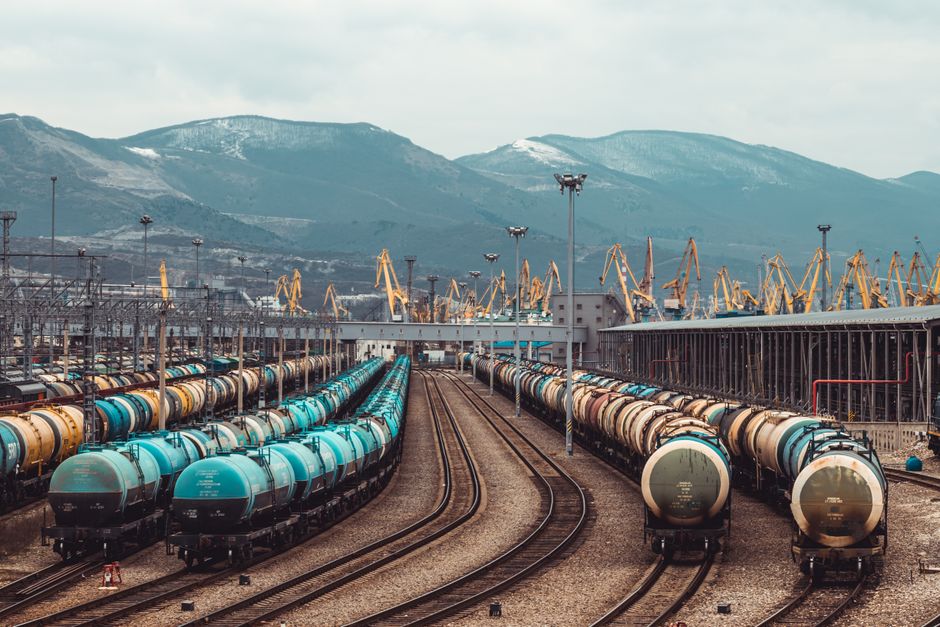
The fossil fuel dimension of the newsletter is quieter but worth sitting with. Industrial agriculture is among the less discussed contributors to carbon emissions, in part because its dependence on petroleum-derived fertilizers, diesel-powered equipment, and fossil-fuel-intensive supply chains is so structurally embedded that it tends to escape the framing applied to, say, passenger vehicles or electricity generation. The suggestion that this may need rethinking fits a broader pattern of technology journalism beginning to treat food systems as a legitimate beat alongside energy and transport. Precision fermentation, synthetic biology, and AI-assisted crop management have all attracted investment and coverage in recent years, but the more fundamental question of the energy inputs that make conventional farming viable has received comparatively little attention outside specialist publications.
The likely consequences of renewed scrutiny in both areas differ considerably by audience. For parents, the near-term effect may be a useful recalibration: not necessarily an argument to abandon monitoring tools altogether, but a reason to think more carefully about what those tools can and cannot do, and to invest energy in conversations with children rather than treating software as a substitute for them. For the companies selling those tools, harder questions from journalists and researchers could translate into harder questions from regulators, particularly if evidence mounts that efficacy claims are overstated.
For agricultural technology, the consequences operate on a longer horizon. If fossil-fuel dependence in farming receives the same analytical intensity that has been applied to energy and transportation, investment flows could shift, and the startups working on low-carbon agricultural inputs may find their proposals taken more seriously at the policy level. The likely reading is that this is still early-stage: the conversation is being opened rather than concluded.
What to watch for in the child safety space is whether the current wave of state-level legislation produces measurable outcomes that can be studied, and whether researchers are given the access to platform data they would need to study them rigorously. The platforms' historical reluctance to share such data with independent researchers has been a significant obstacle to understanding digital harms clearly. On the agricultural side, the thing worth tracking is whether climate policy frameworks begin to treat farming's fossil fuel inputs as a first-order problem rather than a footnote to discussions dominated by electricity and transport. MIT Technology Review putting both questions in the same newsletter, however briefly, is a small signal that the framing of both debates may be slowly shifting.