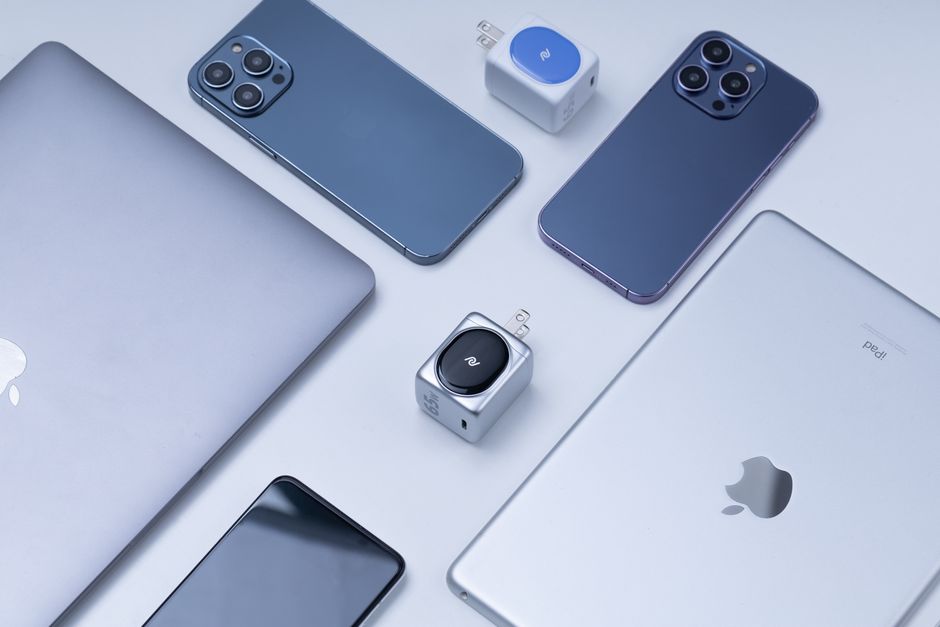
Wired has published a comprehensive roundup of multi-device Apple charging stations, putting more than thirty models through hands-on testing to identify the best options for keeping an iPhone, Apple Watch, and AirPods charged simultaneously from a single unit.
The timing of this kind of guide is not incidental. The market for multi-device wireless charging hardware has expanded rapidly over the past several years, driven by Apple's continued expansion of its ecosystem and the growing number of consumers who own not just one but several Apple devices at once. When AirPods first arrived in 2016 and gained wireless charging capability shortly after, the average Apple household suddenly had three distinct devices with distinct charging requirements sitting on a nightstand. The accessories industry recognized the opportunity almost immediately, and what followed was a wave of docks, pads, and stands from hundreds of manufacturers — ranging from established names in consumer electronics to smaller outfits operating largely through online retail channels.
The category is more technically constrained than it might appear from the outside. Apple Watch in particular has long required its own proprietary magnetic charging interface, which meant that any third-party manufacturer wanting to build a true all-in-one solution had to either license Apple's technology or engineer around it. For years, that created a two-tier market: products that handled everything natively and cleanly, and products that required the user to thread their own Apple Watch cable through the device — a compromise that satisfied no one especially well. Apple's MagSafe ecosystem, which brought a standardized magnetic wireless charging experience to iPhone starting with the iPhone 12 generation, added another variable, since MagSafe at its full fifteen-watt output requires certified components rather than generic Qi hardware.
The result is a product category where the gap between a well-engineered solution and a mediocre one is genuinely wide. A charging station that looks nearly identical to a premium competitor in a product photograph might deliver slower charge rates, run warmer, wobble on a desk, or simply fail to recognize a device reliably in the dark when a user sets it down without looking. These are the kinds of distinctions that only emerge through real use, which is why testing roundups of this nature carry practical weight beyond simple spec-sheet comparison.
Wired's decision to test more than thirty models reflects how crowded the category has become. The accessible price of entry for manufacturing wireless charging hardware, combined with the global reach of e-commerce platforms, means consumers face a genuinely difficult signal-to-noise problem when shopping. Reviewer credibility in this space matters because the consequences of a bad purchase are annoying rather than catastrophic — a slow overnight charge, a dead AirPods case in the morning — and those outcomes are hard to anticipate from a listing page.
The likely consequences of a roundup at this scale are fairly predictable. Products that earn favorable mentions from a publication with Wired's reach tend to see meaningful sales lifts, particularly if they sit at accessible price points. Manufacturers that are passed over, or mentioned critically, face the opposite dynamic. For the broader accessories market, the likely reading is that guides like this one accelerate a mild consolidation of consumer attention around a smaller number of trusted products, even as the underlying catalog keeps growing.
For Apple itself, the continued proliferation of premium third-party charging hardware is largely a positive signal. It reflects the stickiness of the ecosystem — consumers who own multiple Apple devices are demonstrably willing to spend on accessories that unify the charging experience, which in turn makes the prospect of switching to a competing platform meaningfully more disruptive. This suggests that the accessories market is functioning, from Apple's perspective, as a secondary retention mechanism.
There are a few things worth watching as this category continues to develop. Apple has been gradually expanding its own stakes in the accessories space and has shown periodic interest in hardware products adjacent to its core devices. Whether it eventually produces a first-party multi-device charging station of its own — something it has notably not done in a comprehensive way — would reshape the third-party market considerably. Any movement on that front would likely be announced at one of Apple's hardware events.
Beyond that, the ongoing evolution of charging standards is relevant. Should Apple shift further toward higher-wattage wireless charging or introduce new form factors that require updated connection specifications, the current generation of multi-device stations could age quickly. Consumers investing in premium hardware today are making a modest bet that the physical charging interface for their devices remains stable for a few product cycles. Given Apple's history, that is a reasonable bet — but not a certain one.