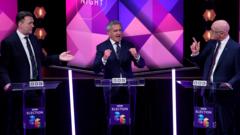
Scottish First Minister John Swinney has suggested that an independence referendum could take place as early as 2028, making the claim during a BBC televised debate held ahead of next month's Scottish Parliament election.
The SNP leader used the high-profile broadcast debate to set out his party's ambitions for a fresh vote on Scottish independence, signalling that the issue remains central to the party's political agenda as it seeks to secure another term in government.
The comments come as the SNP looks to reinvigorate its independence campaign, which has faced significant obstacles in recent years. The UK government under successive Conservative and now Labour administrations has repeatedly refused to grant a Section 30 order, the legal mechanism that would allow a legally binding referendum to take place.
Swinney's 2028 timeline would place any potential vote well into the next parliamentary term, should the SNP win the upcoming election. The party has long argued that Scotland's future should be decided by the Scottish people, pointing to issues such as Brexit and economic policy differences with Westminster as reasons why independence is necessary.
The Scottish independence debate has been a defining feature of Scottish politics for over a decade, with the country last voting on the question in 2014, when 55 percent of voters chose to remain part of the United Kingdom. Supporters of independence argue that circumstances have changed substantially since that vote.
Opposition parties are likely to challenge both the feasibility and the mandate for such a referendum, with unionist parties consistently arguing that the 2014 vote settled the question for a generation. The upcoming Scottish election is expected to be fiercely contested, with independence once again serving as a major dividing line between the parties.