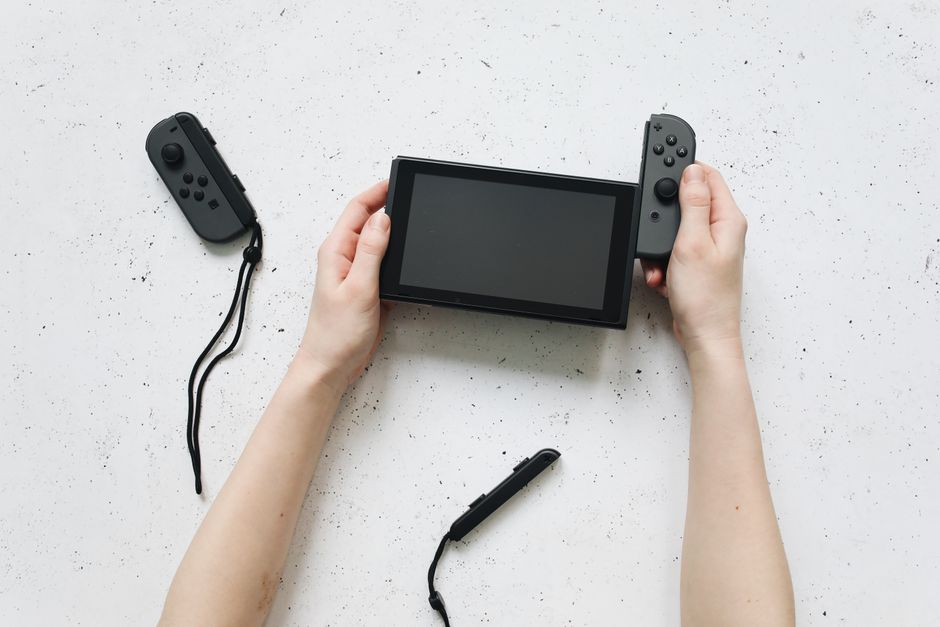
Nintendo's Switch 2 bundle packages are currently seeing an uncommonly steep discount, according to The Verge. The outlet reports that the $499.99 bundle, which pairs the console with a choice of digital game from a short list including Mario Kart World, Donkey Kong Bananza, or Pokémon Pokopia, is now $50 off, a reduction that The Verge describes as rare in the context of Switch 2 pricing.
To understand why a $50 markdown on a Nintendo console is genuinely newsworthy, some history is useful. Nintendo has long operated as one of the most discount-resistant hardware vendors in consumer electronics. Where Sony and Microsoft have, over successive console generations, accepted significant price cuts within the first year or two of a platform's life, Nintendo typically holds its hardware at full retail for extended periods. The original Switch launched in 2017 and held its $299 price point with remarkable stubbornness for years, even as competitors slashed aggressively. The company's logic has never been mysterious: Nintendo hardware tends to sell on the strength of first-party software rather than on price competition, and the company has historically preferred margin preservation to volume chasing.
The Switch 2, arriving into a considerably more expensive consumer electronics landscape than its predecessor, launched at $449.99 for the base unit, with bundle configurations pushing the effective price to $499.99. That pricing drew immediate attention, and not all of it favorable. Critics noted that the cost represented a significant step up from where Nintendo hardware had traditionally sat in the market, and some analysts questioned whether the company was testing the upper boundaries of what its audience would absorb. Nintendo's core demographic skews toward families and younger players, a group that is meaningfully sensitive to sticker price in a way that, say, the enthusiast base that sustains premium PC hardware is not.
The bundle structure itself is worth examining. Packaging a digital game with a console is a strategy that softens the perceived price without technically cutting the hardware price, which matters to Nintendo for a few reasons. Maintaining the integrity of the hardware's retail price keeps retailers happy and avoids signaling to consumers that the platform is struggling. A bundle says the value is high; a price cut says demand is soft. That distinction, largely psychological, is one Nintendo has historically been careful to manage.
What makes the current $50 reduction notable, then, is that it represents a more direct acknowledgment that the market is applying pressure. The Verge characterizes such discounts as rare but not unprecedented, which is itself informative. The suggestion is that Nintendo is not in crisis, but it is also not operating in the frictionless demand environment that surrounded the original Switch, particularly during the pandemic years when the console became something close to a necessity for millions of households suddenly confined at home. The Switch 2 launched into a market that is more normalized, more price-conscious, and more crowded with competing entertainment options.
The consequences of this discount will ripple in a few directions. For consumers sitting on the fence about the Switch 2, a $50 reduction on a bundle that already includes a full game tilts the calculation meaningfully. The choice of titles is significant here: Mario Kart World and Donkey Kong Bananza are not filler. These are flagship software releases, the kind of titles Nintendo uses to anchor a platform's early identity. Getting one of them effectively at a reduced cost, or free depending on how a buyer frames it, removes a common early-adopter objection, namely the high combined cost of hardware and must-have software.
For the broader industry, the likely reading is that even Nintendo is not fully immune to the economic pressures reshaping consumer spending in the current climate. Inflation, a saturated gaming market, and the continued draw of mobile and subscription-based entertainment have made hardware launches more difficult across the board. If Nintendo, historically the most price-disciplined of the major platform holders, is making concessions within the early window of the Switch 2's commercial life, that suggests real headwinds rather than mere routine promotional activity.
What to watch for next is whether this discount pattern becomes more systematic or remains episodic. A one-off promotion during a specific retail window is a very different signal than a sustained lowering of the effective purchase price through repeated bundle deals. If the $50-off bundle reappears frequently over the coming months, that will tell analysts something meaningful about the pace of Switch 2 adoption and whether Nintendo needs to accelerate it. Equally worth watching is how Nintendo's first-party software release calendar interacts with pricing strategy. Historically, a major new title has been the company's preferred lever for driving hardware sales. If big software launches continue but hardware numbers disappoint, the pressure to make more permanent pricing adjustments will only grow.


