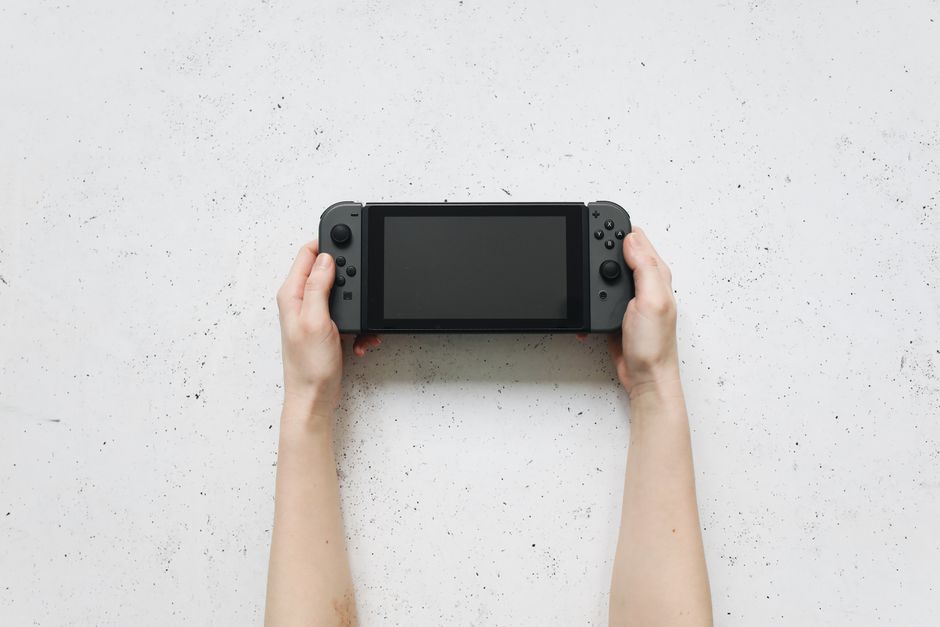
Nintendo has moved up the timeline on its Switch 2 bundle offering. As The Verge reports, the "Choose Your Game" Switch 2 console and digital game bundle, originally teased for an early June arrival, is already available at multiple major retailers including GameStop, Amazon, Best Buy, and the Nintendo Store itself, carrying a price tag of $499.99.
The earlier-than-expected availability is worth pausing on, because it tells a story that goes beyond a simple retail scheduling change. Nintendo has historically been disciplined, sometimes to a fault, about managing its hardware rollouts. The original Switch launch in 2017 was famously supply-constrained, and the company spent years being cautious about getting ahead of demand it could not reliably meet. The fact that the Switch 2 bundle is landing at retailers ahead of its own announced window suggests Nintendo and its retail partners are either sitting on comfortable inventory or are eager to accelerate momentum in the critical early sales period. The likely reading is both.
The pricing itself deserves context. At $499.99, the bundle positions the Switch 2 at the upper edge of what the gaming market typically considers the accessible consumer tier. The original Switch launched at $299.99, and even accounting for years of inflation and a meaningfully more powerful piece of hardware, the jump is significant. Nintendo has historically competed on value rather than raw specification, building its identity around portability, first-party software, and a family-friendly ecosystem. A $500 entry point puts the device in conversation with Sony's PlayStation 5 and Microsoft's Xbox Series X in a way that earlier Nintendo hardware rarely was. Whether that repositioning helps or complicates the pitch to Nintendo's core audience remains an open question.
The inclusion of a digital game in the bundle is a meaningful sweetener, though the framing of the offer as "Choose Your Game" matters strategically. Allowing buyers to select a title rather than bundling a single forced option is consumer-friendly on its face, but it also signals Nintendo's confidence in its software lineup at launch. A console maker only offers choice when it believes several titles are strong enough to serve as the marquee entry point. It also reduces the risk of a buyer feeling locked into a game they already own or have no interest in, which has historically been a quiet complaint about hardware bundles across the industry.
The multi-retailer availability from the jump is also worth noting as a competitive signal. Having GameStop, Amazon, Best Buy, and the Nintendo Store all carrying the bundle simultaneously suggests Nintendo is leaning into broad distribution rather than protecting any exclusive retail relationship. For consumers, that means comparison shopping is straightforward and stock pressure is distributed. For retailers, it means no single outlet has a meaningful advantage in driving foot traffic or web visits off the back of Nintendo's launch energy, which will likely push individual stores toward competitive offers or loyalty program incentives to differentiate themselves.
There is a broader industry backdrop here that shapes why this moment matters. The gaming hardware market has faced real turbulence in recent years. Elevated console prices, a slowdown in discretionary spending, and a generational hangover from the pandemic-era boom have all contributed to softer sales figures across the sector. Nintendo managed to keep the original Switch commercially relevant longer than almost anyone predicted, but the hardware is genuinely old now, and the company needed the Switch 2 to land with credibility. An early, smoothly distributed bundle rollout, assuming stock actually reaches consumers without significant friction, is a good early sign that Nintendo has learned from some of the supply chain difficulties that plagued competitors in recent years.
The consequences of this landing well are significant for Nintendo's medium-term position. A strong Switch 2 install base in the first few months creates leverage with third-party developers who have sometimes treated Nintendo platforms as secondary markets. A stumble, on the other hand, would intensify scrutiny of whether $500 was the right price in this economic environment, and would likely accelerate questions about Nintendo's long-term hardware strategy.
What to watch for next is relatively clear. First, whether actual consumer demand at the $499.99 price point holds up once the early adopter cohort is satisfied. Second, how quickly the "Choose Your Game" selection expands, and whether Nintendo uses that mechanism to push older catalog titles or continues to offer genuinely desirable new releases. Third, whether any retailer quietly begins discounting or bundling additional incentives, which would be an early indicator of softening demand. And finally, how third-party publishers respond to early Switch 2 sales data, since their commitment to the platform will ultimately determine whether the hardware becomes a genuine long-cycle success or a more modest generational transition.