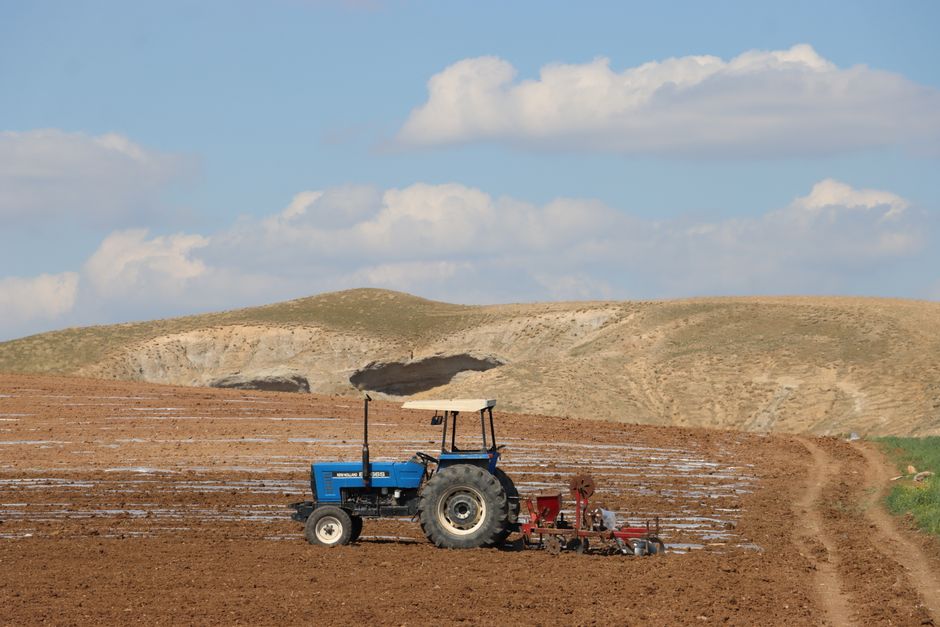
Monarch Tractor, the electric and autonomous farming equipment startup that was once positioned as a flagship name in agricultural technology, has been acquired by Caterpillar following the company's collapse, according to TechCrunch. The deal ends what had become an increasingly troubled chapter for the startup, which faced criticism from dealers, farmers, and at least one co-founder over whether its core technology actually functioned as promised.
To understand why this matters, it helps to remember what Monarch represented at its peak. The company arrived in a wave of venture-backed enthusiasm for agricultural technology, a sector that attracted significant capital as investors reasoned that farming — one of the most resource-intensive and labor-dependent industries on earth — was ripe for the kind of disruption that software and electrification had brought to other verticals. Monarch's pitch was straightforward in concept and enormously difficult in execution: replace diesel-powered, human-operated tractors with electric, semi-autonomous machines that could collect data, reduce input costs, and operate with less manual oversight. It was a compelling vision, and it drew real money and real attention.
The structural problem, which TechCrunch's reporting makes plain, is that the vision and the product diverged. Complaints from dealers and farmers about technology that did not work properly are not minor footnotes in a startup story — they are the story. Agricultural equipment operates in conditions that are punishing, unpredictable, and unforgiving of failure. A tractor that malfunctions in the middle of a harvest window does not just inconvenience a farmer; it can cost an entire season's revenue. The bar for trust in this industry is exceptionally high, and it is earned slowly, over years of reliable performance. Startups accustomed to iterating rapidly through user feedback encounter a fundamental cultural mismatch when the users are farmers whose livelihoods depend on equipment working the first time, every time.
The involvement of a co-founder in the criticism adds another layer of significance. When someone who helped build the technology raises doubts about whether it functions correctly, it typically signals that internal disagreements about product readiness were not resolved before the company went to market. This pattern — shipping before the product is truly ready in order to satisfy investor timelines or capture early market position — is familiar across the hardware startup world, but it tends to be more catastrophic in agriculture than in consumer electronics, where a software update can paper over early shortcomings.
Caterpillar's acquisition fits a pattern that has been visible across multiple technology sectors for several years now. Large industrial incumbents have shown a consistent appetite for acquiring distressed or collapsed startups, not necessarily because the startups succeeded, but because they accumulated intellectual property, engineering talent, or regulatory groundwork that would take incumbents years to develop organically. Caterpillar already operates at the intersection of heavy equipment and increasingly sophisticated machine control technology. Adding whatever Monarch developed — even if the commercial product fell short — gives Caterpillar a shortcut into electric drivetrain research, autonomous navigation work, and agricultural data systems that are relevant to its longer-term positioning.
The likely consequences here fall on several different groups. For the farmers and dealers who invested time, money, and trust in Monarch's platform, the acquisition raises immediate practical questions about support, software continuity, and whether the machines they purchased will receive meaningful updates or simply be quietly sunset. Caterpillar has the resources to honor those obligations, but whether it chooses to is a separate question from whether it can. For the broader agricultural technology startup ecosystem, Monarch's trajectory reinforces a warning that has been building for some time: the gap between a compelling demonstration and a field-ready product is vast, and investors, farmers, and dealers are becoming more skeptical of pitches that do not grapple seriously with that gap.
For Caterpillar, the acquisition is a low-risk, potentially high-reward move. If the underlying technology has merit, the company has the manufacturing scale, dealer network, and brand credibility to rehabilitate it in ways a startup never could. If the technology is as flawed as critics suggested, Caterpillar still walks away with talent and patents at what was almost certainly a distressed price.
What to watch for next is Caterpillar's disclosure, if any, about what specifically attracted it to the acquisition and how it intends to integrate Monarch's work into its existing product lines. Also worth monitoring is how other agricultural technology startups respond to this outcome — whether it accelerates a consolidation trend in the space, and whether venture funding for the sector cools further as the distance between autonomous farming promises and autonomous farming realities becomes harder to ignore. The next few months of trade show announcements and product roadmaps from the major equipment manufacturers will offer the clearest early signal of where the industry believes the technology actually stands.


