Iran Warning Adds to Shipping Uncertainty as Strait Traffic Remains Thin
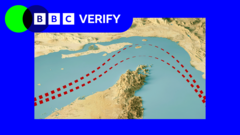
Shipping activity through one of the world's most strategically critical waterways remains severely disrupted, with analysis from BBC Verify showing that only a handful of vessels have made the crossing since a ceasefire deal was reached between the United States and Iran.
The Strait of Hormuz, through which a significant portion of the world's oil and liquefied natural gas passes, has long been a flashpoint for geopolitical tension. The latest warnings from Iran have deepened concerns among shipping operators and energy markets already rattled by months of instability in the region.
Despite the ceasefire agreement appearing to offer a diplomatic off-ramp from escalating hostilities, the low volume of vessel transits suggests that confidence among maritime operators has not yet recovered. Shipping companies typically rely on stability and predictability in such corridors, and any hint of renewed threats is enough to prompt rerouting or delays.
The broader implications for global energy supply chains could be significant. The strait serves as a chokepoint for Gulf oil exports, and prolonged disruptions have historically contributed to spikes in crude oil prices and supply chain bottlenecks across multiple industries.
Iran has previously threatened to close the strait during periods of heightened tension with Western nations, a move that analysts say would have far-reaching consequences for international trade. While such a step has never been fully carried out, even the prospect of interference has repeatedly been enough to unsettle markets.
Maritime security experts have noted that a ceasefire on paper does not immediately translate into safe passage on the water. Vessels navigating through contested or sensitive zones must weigh ongoing risk assessments, insurance costs, and the practical realities of operating in an environment where warnings continue to be issued.
The situation remains fluid, and industry observers will be watching closely in the coming days to see whether vessel traffic begins to normalise or whether Iran's warnings further suppress movement through the strait. For now, uncertainty continues to cast a long shadow over one of the planet's most vital maritime routes.