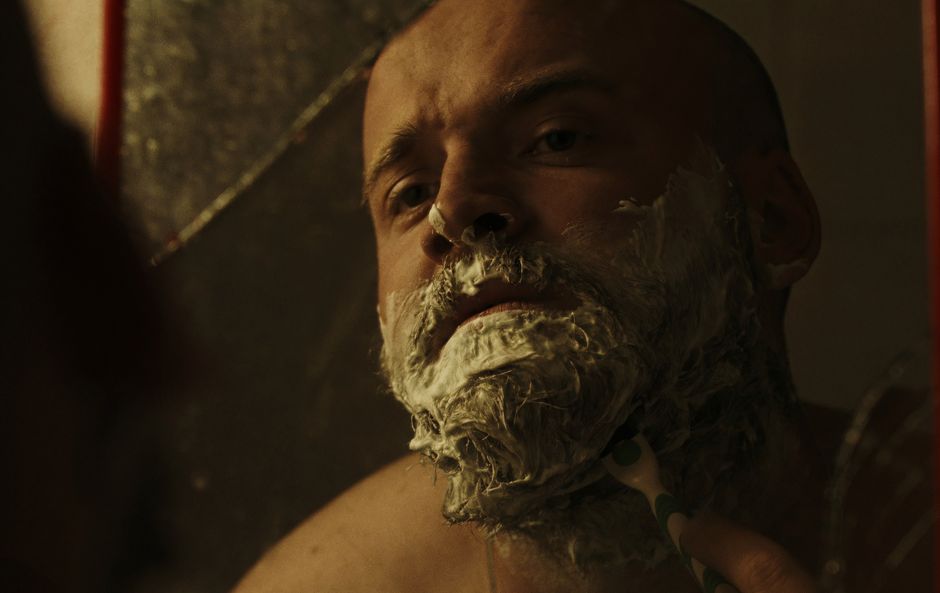
Apple TV+'s detective drama Sugar is returning for a second season, and according to The Verge, the show's creative direction is shifting in a meaningful way — Colin Farrell's titular character, having shed the burden of a concealed science fiction identity in the first season, is now free to exist more fully as the complicated figure the premise always implied.
To understand why that matters, it helps to recall what made Sugar's first season such an unusual piece of television. The show spent roughly half its run presenting itself as a stylish neo-noir, a loving homage to classic detective fiction with Farrell playing a melancholy, impeccably dressed investigator navigating the darker corners of Los Angeles. Then the science fiction reveal arrived, recontextualizing everything that came before and dividing audiences sharply. Some viewers felt the twist was a betrayal of the genre they thought they were watching. Others found it a genuinely bold swing in an era when prestige television tends to sand down its stranger edges before they can cut anyone. The Verge's framing of the new season suggests the show is now attempting to harvest what that gamble planted.
This is a recognizable creative pattern in serialized storytelling. A first season carries the weight of concealment — characters cannot be fully themselves because the audience cannot yet know what they are. Writers and performers operate under a kind of productive constraint, building toward disclosure. The second season then faces a different and arguably harder problem: now that the secret is out, what is the show actually about, and who is this person the audience has been watching? The Verge's report indicates that Farrell himself was navigating this tension even during promotion, carefully managing what he could say publicly so as not to collapse the mystery the first season depended on. That kind of discipline shapes a performance in ways that only become visible in retrospect.
Farrell is a performer whose career has always been most interesting when the material gives him room to be unglamorous and interior. His work in The Banshees of Inisherin demonstrated what happens when a role allows him to be genuinely unresolved rather than conventionally sympathetic, and Sugar seems to be pushing in a similar direction. The suggestion that his detective becomes more human in the second season is worth examining carefully. In the context of the show's science fiction architecture, the word human carries a meaning that is at once literal and thematic, and the tension between those two registers is likely where the series finds its most interesting ground.
The consequences of this creative shift will be felt most directly by the show's audience, which is being asked to recalibrate its relationship with a character and a genre simultaneously. Viewers who stayed through the first season's twist and returned for more have effectively signaled their willingness to follow the show somewhere unfamiliar, and the production appears to be taking that as permission to go further into the strangeness rather than retreating toward safer procedural territory. The risk, and it is a real one, is that a character study premised on an unusual ontological condition can become self-indulgent if it loses the narrative engine that genre originally provided. Detective fiction works because it has a built-in structure: a problem, an investigation, a resolution. If Sugar leans too far into its science fiction identity at the expense of that engine, it may find itself dramatically adrift even as it becomes thematically richer.
For Apple TV+, the stakes are somewhat different. The platform has built a reputation on expensive, carefully produced prestige fare that does not always find large audiences but tends to generate critical attention and award recognition. Sugar fits that profile comfortably. A second season that deepens rather than simplifies the show's ambitions is consistent with the platform's broader strategy, even if it limits the series' mainstream appeal.
What to watch for in the coming weeks is how the critical conversation around the second season shapes up. If reviewers converge on the view that the show has found a more confident version of itself with the science fiction premise fully in the open, that will be a meaningful signal that the first season's gamble paid off in the long run. If the response is more divided, it may suggest that the twist was the engine all along, and that the show is now running on something less propulsive. Farrell's performance will be the central evidence either way. A character described as becoming more human is a character being asked to carry more weight, and whether the show has built a strong enough foundation to support that is the question the second season will have to answer.