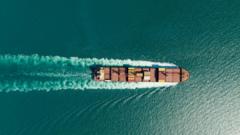
A French-owned vessel has made a significant passage through the Strait of Hormuz, marking what appears to be the first time a ship belonging to a major European company has navigated the strategically vital waterway since the outbreak of regional conflict in the area.
The development is being closely watched by international shipping and trade communities, as it may signal a cautious shift in how European operators are approaching one of the world's most critical maritime chokepoints. The strait, which separates Iran from the Arabian Peninsula, is a passage through which a significant portion of the world's oil and liquefied natural gas supplies travel.
Tensions in the region have placed enormous pressure on global shipping routes, with many major carriers and ship owners opting to avoid potentially dangerous waters in recent months. The decision by a European firm to send a vessel through the strait could be interpreted as a calculated assessment that conditions have shifted enough to warrant a return to normal operations.
The Strait of Hormuz holds enormous strategic and economic importance, with an estimated fifth of the world's petroleum passing through its waters on a regular basis. Any disruption to traffic through the strait has historically sent ripples through global energy markets and supply chains.
It remains unclear whether the transit will encourage other major European shipping companies to follow suit and resume operations through the strait. Shipping firms have been weighing the financial costs of longer alternative routes against the perceived security risks of navigating waters that have seen heightened military and geopolitical activity.
The move will be observed carefully by governments, energy markets, and the broader shipping industry as they monitor whether this passage represents an isolated event or the beginning of a broader return of European commercial shipping to the region.