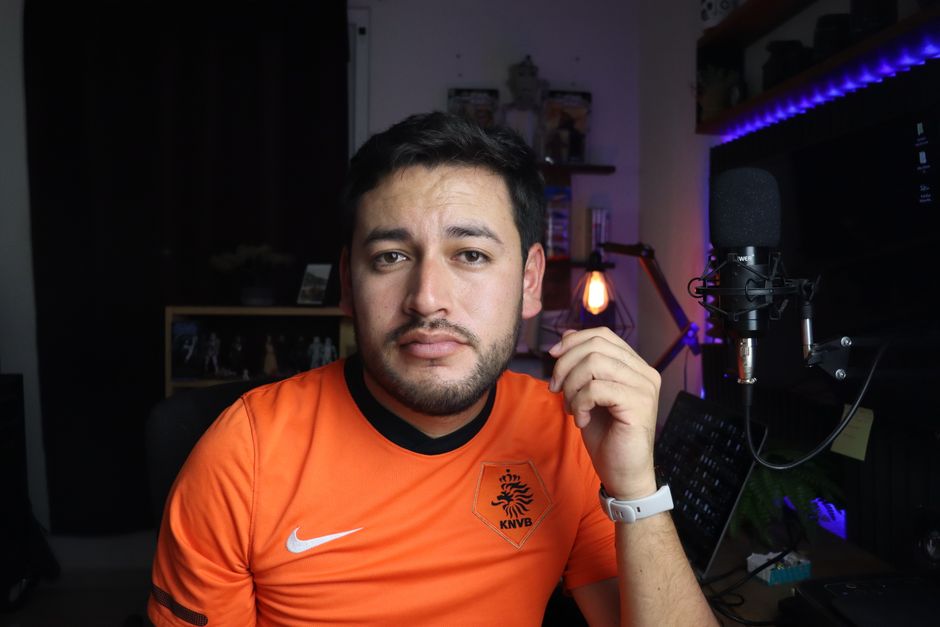
Constantin Koehncke, the head of FL Studio, has taken the unusual step of engaging directly with users on Reddit to gather feedback and connect with the software's community, according to The Verge. The move has drawn attention not just for its informality but for what it signals about how legacy software companies are choosing to navigate an increasingly competitive landscape.
To understand why this matters, it helps to know where FL Studio sits in the broader music technology world. The software began its life in the late 1990s as Fruity Loops, a Belgian-made beat sequencer that was, by any honest account, more famous for being pirated than purchased. Bedroom producers across a generation learned to make music on stolen copies, and many of them went on to become some of the most commercially successful artists working today. That origin story is not a liability for the brand — it is, paradoxically, a large part of its cultural credibility. FL Studio was never the choice of conservatories or professional recording studios in the way that Pro Tools dominated. It was the choice of hip-hop producers, electronic artists, and experimenters who either could not afford alternatives or simply preferred its idiosyncratic workflow.
Image-Line, the Belgian company behind the software, made a decision years ago that still stands out in the industry: buyers receive lifetime free updates. In a software market that has increasingly moved toward subscription models, this policy has cultivated an almost fanatical loyalty. Users who bought the software a decade ago continue to receive the same updates as new customers. That commitment costs the company real money and requires a different kind of business calculus than the recurring revenue model that has made companies like Adobe and Avid so attractive to investors. It also means that the relationship between Image-Line and its users carries a different emotional weight than the typical vendor-customer dynamic.
That context is what makes Koehncke's Reddit engagement more than a publicity stunt. The FL Studio community is unusually invested in the software's direction because they are, in a meaningful sense, long-term stakeholders. Many of them bought licenses years or even decades ago and have watched the product evolve through that entire period. When the person running the product shows up on the same forum where users argue about workflow features and request bug fixes, it collapses a distance that most enterprise software companies work hard to maintain. The likely reading here is that Koehncke understands this community well enough to know that direct engagement reinforces rather than undermines authority, provided it is handled with genuine curiosity rather than corporate defensiveness.
The competitive pressure to do something like this is also real. The DAW market has fragmented and intensified considerably over the past decade. Ableton Live retains enormous prestige among electronic musicians. Logic Pro, bundled economically into Apple's ecosystem, has attracted a vast user base. Newer entrants and cloud-based tools are chipping away at the assumption that a desktop application with a steep learning curve is the only serious option. For FL Studio to remain culturally relevant, particularly to younger producers who have more choices than any previous generation, it needs to be seen as a living, responsive product rather than legacy infrastructure.
The consequences of Koehncke's approach will probably play out in two directions. Within the existing community, the engagement is likely to deepen loyalty and generate goodwill that translates into word-of-mouth recommendation, which has historically been the primary way FL Studio spreads. Among newer or prospective users, the visibility of a product lead who interacts openly with criticism and suggestions signals a development culture that takes user experience seriously. Both of these outcomes matter more than any individual piece of feedback collected.
There is a risk, of course. Public engagement of this kind sets expectations. If users raise specific issues or request features in a forum where the product head is actively participating, and those requests then go unaddressed, the same intimacy that created goodwill can curdle into frustration. The informal setting of Reddit also means that Koehncke is one poorly worded reply away from a minor controversy that the internet is happy to amplify out of proportion.
What to watch for next is whether this becomes a sustained practice or a one-time moment of community relations. If Image-Line builds genuine feedback loops from these conversations into its development roadmap, the Reddit sessions will have served a real function. If the feature requests and criticisms raised in those threads begin surfacing in update notes, users will notice. The more telling signal will come from whether other DAW companies feel pressure to respond in kind, because if they do, it suggests that Koehncke's approach is being read by the broader industry as something worth taking seriously.


