EU Fingerprint and Photo Travel Rules Come Into Force
The European Union has officially launched its long-awaited Entry/Exit System, a new border control programme that will significantly alter the travel experience for UK passengers heading to EU member states and other participating countries.
The system, which has faced repeated delays since it was first proposed, requires travellers from non-EU nations to provide biometric data including fingerprints and photographs at border entry points. The rollout marks one of the most significant changes to European border management in recent years.
For British citizens in particular, the new rules represent a notable shift in the post-Brexit travel landscape. UK passport holders, who lost their EU freedom of movement rights following Brexit, will now be subject to the biometric checks when entering any of the 29 countries participating in the scheme.
The Entry/Exit System was originally designed to strengthen external border security across the Schengen Area and broader EU zone. By digitally recording travellers' details upon arrival and departure, authorities aim to better track overstays and improve overall border management efficiency.
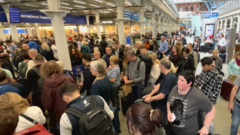
Travel experts and industry observers have previously warned that the introduction of the new system could lead to longer queues at major ports of entry, particularly at busy crossings such as Dover and at major international airports. Passengers have been advised to allow additional time for border processing during the initial rollout period.
The scheme has been in development for several years and has experienced multiple postponements due to technical and logistical challenges faced by participating member states. Its eventual implementation marks the conclusion of a lengthy preparation period for border authorities across the continent.
British travellers heading to popular European destinations including France, Spain, Italy and other participating nations will need to familiarise themselves with the new requirements. The changes are expected to have a wide-reaching impact on millions of UK residents who travel to Europe each year for both leisure and business purposes.