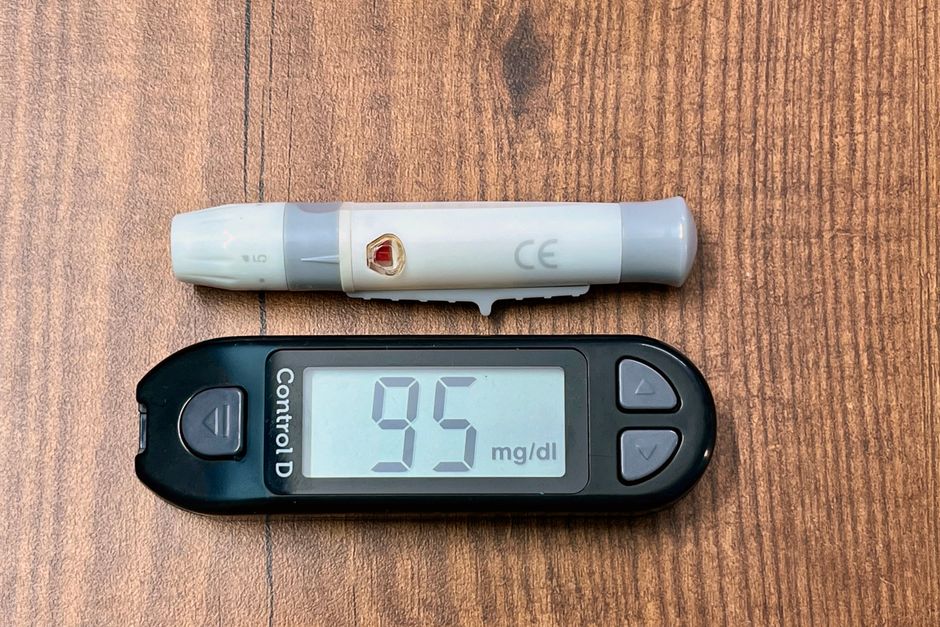
The Verge has flagged a shift underway in the consumer continuous glucose monitor market, suggesting that devices once aimed squarely at diabetic patients are becoming more complex as they expand toward a broader wellness audience.
To understand why that matters, it helps to trace how continuous glucose monitors, or CGMs, arrived at this cultural moment. For decades these devices were strictly clinical tools, worn by people with Type 1 or Type 2 diabetes who needed real-time blood sugar data to manage insulin dosing and avoid dangerous swings. The technology was effective but ungainly, requiring prescriptions, calibration rituals, and a tolerance for adhesive patches that could irritate skin for days at a stretch. The patient population using them had little choice but to adapt.
What changed the trajectory was a combination of miniaturization, smartphone integration, and a wellness industry hungry for quantified data. When the FDA began clearing CGMs for over-the-counter sale without a prescription, companies recognized an enormous untapped market: people without diabetes who had nonetheless become anxious about metabolic health, blood sugar spikes after meals, energy crashes, and the loosely defined condition sometimes called insulin resistance. Influencers, biohackers, and longevity enthusiasts adopted the devices enthusiastically, and the manufacturers took note. A product category built around medical necessity began repositioning itself around lifestyle optimization.
That repositioning is where complexity enters. Designing a device for a diabetic patient and designing one for a healthy person curious about how a bowl of pasta affects their afternoon focus are fundamentally different engineering and communication challenges. A diabetic user understands that a high glucose reading may require action. A wellness user, by contrast, may have no clinical framework for interpreting the numbers at all, which puts enormous pressure on the software layer surrounding the hardware. Apps need to contextualize readings, suppress alarm fatigue, and avoid nudging users toward unnecessary anxiety or, worse, disordered eating patterns. Several nutrition researchers and endocrinologists have already raised concerns in the medical literature that CGM data presented without proper clinical guidance can lead healthy people to restrict foods in ways that are not evidence-based.
The competitive landscape has also grown crowded in ways that complicate the picture further. Established medical device makers now share shelf space, metaphorically if not literally, with newer entrants who come from consumer electronics backgrounds rather than healthcare. The priorities of those two cultures are not identical. A medical device company is accustomed to regulatory scrutiny, post-market surveillance requirements, and conservative claims. A consumer electronics company is accustomed to moving fast, iterating publicly, and marketing aggressively. When those cultures collide inside a single product category, the result is often a messy middle ground where the regulatory framework struggles to keep pace with the commercial reality.
The likely consequences of this complication fall on several groups. For consumers, the expanding feature sets and competing platforms mean more choices but also more cognitive load in deciding which device and which accompanying service actually delivers meaningful information. The risk is that glossy interfaces and gamified health scores obscure rather than illuminate what the underlying glucose data is actually saying. For clinicians, the proliferation of consumer CGMs means more patients arriving at appointments with weeks of self-collected data that the healthcare system has no standardized way to incorporate into a visit. That is not inherently bad, but it does demand new workflows and new literacy on the part of physicians who were trained to read a quarterly hemoglobin A1c, not a thirty-day glucose variability graph generated by a consumer app. For the established medical device makers, the wellness pivot is both an opportunity and a reputational gamble: if the consumer market sours on CGMs because of overclaimed benefits or poor user experiences, it could create regulatory and public relations headwinds that affect their core diabetic patient business.
There is also a subtler consequence worth naming. The glucose monitor is becoming a proxy for a larger argument about who owns health data, who is qualified to interpret it, and whether giving individuals more information about their bodies is unconditionally good. The evidence on that last point is genuinely mixed, and the CGM market is now large enough that it will inevitably become a test case in that ongoing debate.
What to watch for next is fairly clear. Regulatory agencies on both sides of the Atlantic will be under increasing pressure to articulate clearer guidelines about what claims over-the-counter CGM makers can and cannot make to wellness consumers. The science around glucose variability in metabolically healthy people is still developing, and studies examining whether consumer CGM use actually changes behavior or improves long-term health outcomes are beginning to appear. Those results, when they arrive in sufficient numbers, will either validate the category's expansion or force an uncomfortable reckoning. The manufacturers betting heavily on the wellness market will be watching those studies very carefully, and so should everyone else with a stake in how digital health tools earn their place in everyday life.


