Ceasefire or No Ceasefire, the Middle East's Reshuffling Is Not Yet Done
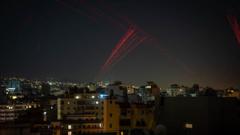
The Middle East finds itself at yet another critical crossroads, as analysts and world leaders grapple with the reality that even a potential ceasefire may do little to resolve the deeper tensions reshaping the region. Both warring sides carry strong motivations to bring the current conflict to an end, yet the two remain separated by what appears to be an unbridgeable gulf of competing demands and irreconcilable visions for the future.
The push for a ceasefire has drawn the attention of international mediators, neighboring governments, and global powers alike, all of whom recognize the cascading consequences the ongoing war continues to produce. Humanitarian conditions, regional stability, and global economic pressures have combined to make the case for a pause in fighting, but translating that pressure into meaningful agreement has proven elusive.
What makes the current situation particularly complex is the broader geopolitical reconfiguration quietly unfolding across the Middle East. Alliances that once seemed fixed are shifting, power vacuums are emerging, and new actors are seeking to assert influence in ways that will outlast any single agreement or ceasefire arrangement. This reshuffling of regional dynamics means that even a negotiated pause in hostilities would represent only a temporary halt in a much longer and more consequential process.
Historically, the Middle East has seen ceasefires collapse under the weight of unresolved grievances, competing territorial claims, and the involvement of outside powers with their own strategic interests. The current conflict carries echoes of those past failures, raising legitimate questions about whether any agreement reached now would hold or simply delay further escalation.
For ordinary people caught in the middle, the distinction between a ceasefire and lasting peace carries enormous human weight. Lives, livelihoods, and futures hang in the balance while negotiators and political leaders search for a formula that may not yet exist.
Until both sides find not just a reason to stop fighting but a foundation for genuine compromise, observers warn that the Middle East's ongoing reshuffling will continue to unfold, with consequences that could define the region for generations to come. The ceasefire question, as pressing as it is, may ultimately prove to be only one chapter in a far larger and still unfinished story.