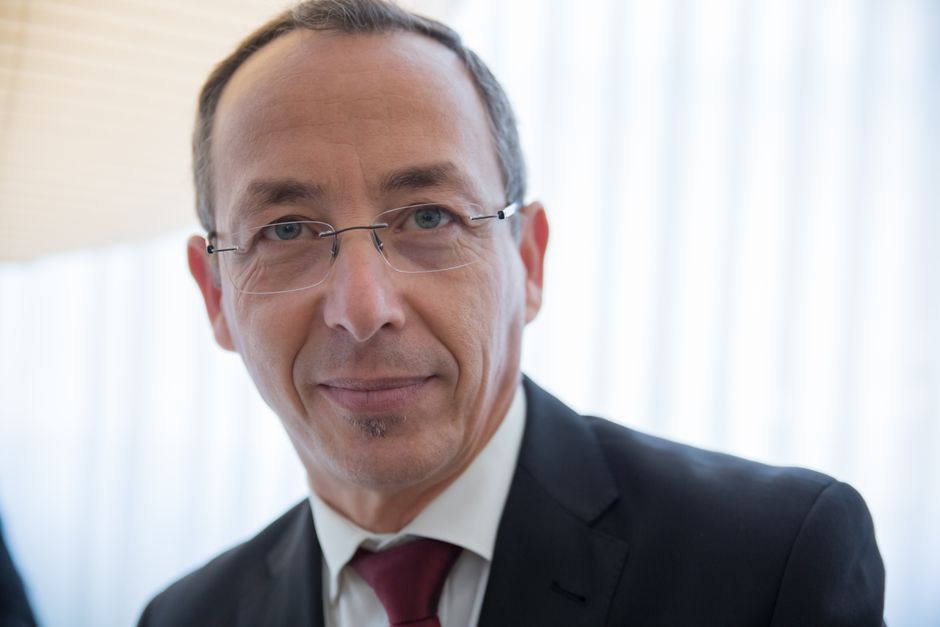
Automattic has confirmed that Matt Mullenweg has been reinstated as chief executive of the company, according to reporting by TechCrunch. The company stated that Mullenweg now holds the title of chairman and CEO with what it described as the full support of its board, following what appears to have been an attempt by that same board to remove him from the role.
The situation is striking precisely because of who Matt Mullenweg is. He is not a hired executive who can be cleanly separated from the enterprise he runs. Mullenweg is a co-founder of WordPress itself and has been the dominant figure at Automattic since its founding in 2005. Automattic is the commercial entity behind WordPress.com, WooCommerce, Tumblr, and several other web properties, but its identity has always been inseparable from Mullenweg's. He is also the co-founder of the open-source WordPress project more broadly, which powers a substantial share of the entire web. Attempting to remove him from Automattic without accounting for that entanglement would be, at minimum, an extraordinarily complicated maneuver, and the swift reversal suggests whoever pushed for his removal underestimated exactly that.
The episode lands at a particularly volatile moment in Automattic's public life. The company has been embroiled in a prolonged and bitter dispute with WP Engine, a major managed WordPress hosting provider. Mullenweg has been the face and the engine of that conflict, publicly accusing WP Engine of profiting from the WordPress ecosystem while contributing inadequately to it. The dispute escalated into legal territory, with litigation filed on both sides, and Mullenweg's conduct during that period drew scrutiny even from some who were broadly sympathetic to his underlying concerns about the open-source ecosystem. His approach was aggressive and personal enough that it created meaningful reputational turbulence for Automattic even among longtime WordPress community members.
The likely reading here is that the board's move against Mullenweg, whatever form it took, grew at least partly from that turbulence. When a CEO's public behavior begins to create legal exposure, alienate partners, or destabilize a community that the company depends on for its economic foundation, boards often feel pressure to intervene. Automattic's situation is complicated further by the fact that it is a privately held company, which means external shareholder pressure is less direct than it would be in a public company context, but investor and partner concerns can still carry weight behind closed doors.
That Mullenweg survived the attempt and emerged with what the company is calling full board support is worth examining carefully. The phrasing itself is deliberate. Describing a reinstated CEO as having the full support of the board is a standard piece of corporate communication designed to signal stability and foreclose further speculation, but it also implicitly acknowledges that the support had, at some point, been less than full. The statement confirms the conflict while attempting to close it.
What this episode means for the WordPress ecosystem is harder to assess. The open-source WordPress project and Automattic are legally and structurally distinct, but in practice they have been deeply intertwined through Mullenweg's personal authority in both spheres. Any serious threat to his position at Automattic necessarily raised questions about continuity of leadership over WordPress.org itself, and those questions will not entirely disappear just because the corporate situation has stabilized. The community has been watching the WP Engine dispute with a mixture of concern and unease, and the spectacle of an attempted ouster adds another layer of uncertainty about what the governance of the broader ecosystem actually looks like.
For Automattic's commercial partners and enterprise customers, the consequences are more immediate. Instability at the CEO level creates friction in sales cycles and renewal conversations. The reinstatement resolves the acute crisis, but the underlying tensions that produced it have not been publicly addressed. If the board had substantive concerns about Mullenweg's leadership approach during the WP Engine conflict, those concerns do not simply evaporate because he has returned to his seat.
What to watch for next is whether the terms of his return include any observable changes in behavior or strategy. A CEO who survives a board challenge sometimes emerges more constrained, with new oversight mechanisms or an altered leadership team around him. Sometimes the opposite happens and the leader emerges more emboldened, having demonstrated that they cannot be easily displaced. The public posture toward WP Engine will be one early signal of which dynamic is actually at work here. So will any changes in Automattic's board composition, which may emerge in the weeks ahead. The company has said the matter is settled. Whether the underlying story is settled is a different question.