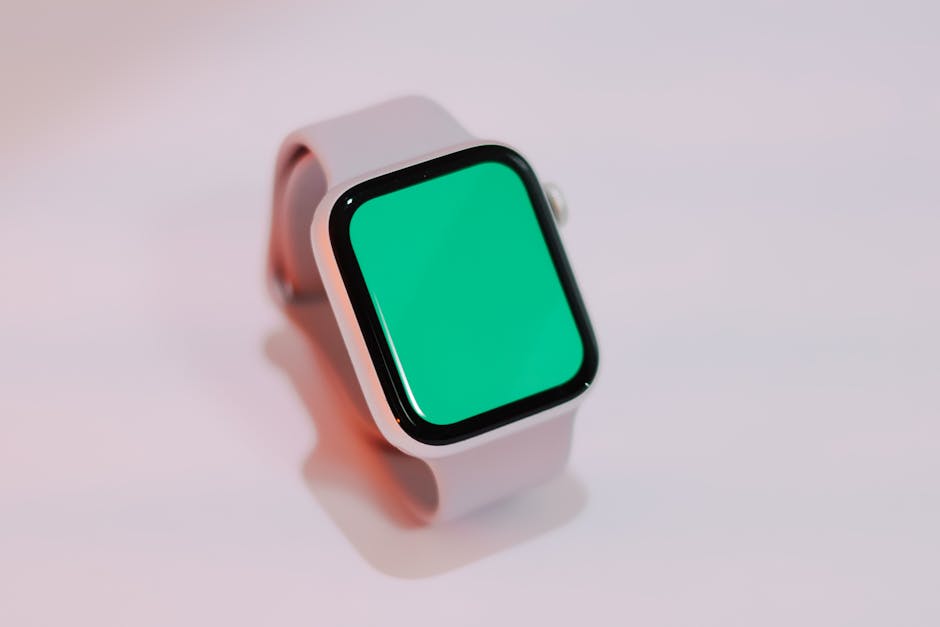
Apple has ended software support for a significant number of older Apple Watch and iPad models with the release of its latest operating system updates, according to The Verge. The report indicates that watchOS 27 and iPadOS 27 will not run on a broader range of older devices than has typically been the case in previous update cycles, representing what The Verge describes as a larger-than-usual cull of supported hardware.
To understand why this matters, it helps to appreciate the role that software support plays in the practical lifespan of a consumer device. For most users, the moment a device stops receiving major OS updates is not the moment it stops working — it is the moment a quiet clock starts ticking. Security patches become less reliable, new applications begin requiring OS versions the device cannot run, and the general experience of using aging hardware against an ecosystem designed for newer models grows increasingly frustrating. Apple has historically been praised, especially in contrast to much of the Android market, for extending software support across many years of device generations. That reputation has been a genuine selling point, giving buyers confidence that a several-hundred-dollar purchase would remain relevant for longer than a typical consumer electronics product.
The Apple Watch in particular occupies a specific position in this conversation. Unlike the iPhone, which benefits from Apple's most aggressive chip development cycles and commands enough revenue to justify prolonged support, the Watch has always existed in a slightly more constrained environment. Each new generation has introduced new sensors, new health features, and new processing demands, and the gap between what the hardware in older models can do and what the software increasingly expects has widened steadily. There is only so long that a chip architecture from several years prior can be asked to run software designed with meaningfully more powerful silicon in mind.
The iPad side of this equation carries its own complications. Apple's tablet lineup is famously fragmented, spanning price points from the entry-level iPad to the pro-tier models powered by the company's M-series chips. Owners of older iPads have often been among the last to lose support in a given year, because Apple has at times kept older iPad generations in the supported column longer than comparable iPhones. A wider-than-usual drop in iPadOS support therefore carries particular weight for users who may have purchased a device in good faith relatively recently, expecting a longer runway of updates.
The likely consequences here operate on several levels. For existing users of affected devices, the practical implication is a narrowing window of full functionality. The devices themselves will not immediately break, but the gap between their capabilities and those of the broader Apple ecosystem will compound over time. For Apple, the business logic is not difficult to read. Dropping older devices from support creates upgrade pressure that is indirect but real. A user who finds their Apple Watch unable to run new health features, or their iPad incompatible with new productivity tools, faces a choice the company has essentially made for them.
The broader industry signal is also worth noting. If this year's cut is genuinely larger than historical norms, it suggests Apple may be accelerating the pace at which it expects its installed base to turn over. This could reflect growing confidence in upgrade rates, or it could reflect the increasing computational demands of features — particularly those driven by machine learning and on-device artificial intelligence processing — that simply cannot be retrofitted to older silicon. The likely reading is that as Apple bakes more AI-driven functionality into its operating systems, the baseline hardware requirements for those systems will rise faster than they did during years when the primary new features were more modest in their processing demands.
For the secondary market in used Apple devices, this development adds another variable for buyers to weigh carefully. A used Apple Watch or iPad sold at an attractive price point today may already be at or near the edge of its supported lifespan, and prospective buyers would be well served by checking compatibility before purchasing.
What to watch for next is twofold. First, whether Apple provides any additional clarity on its support criteria — the company has not historically published explicit policies about how many years of updates a given device can expect, and pressure from regulators in Europe and elsewhere around device longevity and repairability may eventually force more transparency on that front. Second, whether the pattern of accelerated hardware deprecation continues into future release cycles. If next year's OS updates drop yet another unusually wide swath of devices, it will begin to look less like an anomaly and more like a deliberate repositioning of what Apple considers its supported ecosystem.


