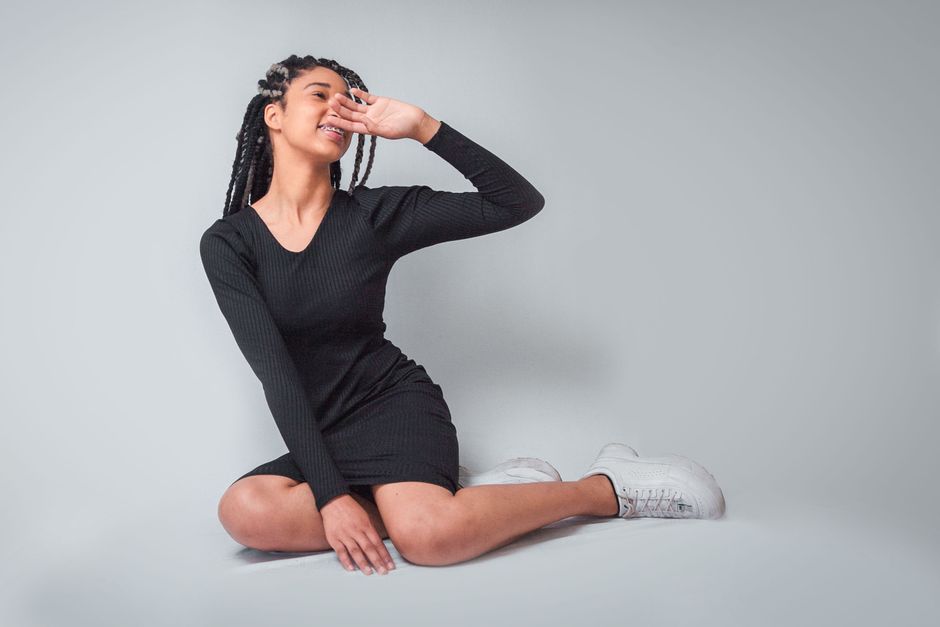
The Verge has reported on a growing practice in which operators are using artificial intelligence to generate fake Black personas on TikTok, deploying synthetic influencers designed to appear as real people in order to sell cheap goods, most notably products sourced from the fast-fashion retailer Shein. The manufactured accounts use emotionally manipulative video formats, including simulated distress and appeals rooted in racial identity, to drive engagement and purchases.
To understand why this matters, it helps to understand how the influencer economy arrived at this particular destination. Over the past several years, platforms like TikTok have made it genuinely possible for ordinary people to build audiences and generate income through authentic personal content. That promise attracted millions of creators, including a significant number of Black women, who built communities around style, lifestyle, and commerce. The algorithm rewarded authenticity, or at least its convincing appearance, which created an obvious arbitrage opportunity for bad actors: simulate authenticity at scale, strip out the unpredictable human costs, and capture the revenue.
Shein occupies a specific and already controversial position in this picture. The company has built one of the most aggressive influencer-seeding operations in retail, routinely sending free products to creators in exchange for promotional content. Critics have long documented the labor and environmental conditions attached to that business model. What the operators behind these fake accounts appear to have identified is that Shein's affiliate and dropshipping ecosystem is permissive enough, and its product catalog vast enough, to serve as the merchandise layer underneath a fully synthetic creator persona. The goods are real, in the sense that they can be shipped. The person selling them is not.
The choice to render these personas as Black women is not incidental, and it deserves more analytical weight than it might initially receive. Black women creators have been among the most demonstrably influential figures in shaping trends on TikTok, frequently originating content formats and cultural moments that are then adopted more broadly, often without credit or compensation. That visibility, combined with documented patterns of algorithmic suppression and platform under-monetization affecting Black creators, has produced a well-known tension: Black creators drive culture on the platform but frequently report being penalized by the systems meant to reward it. The operators behind these synthetic personas appear to be exploiting that cultural cachet deliberately, manufacturing the appearance of a relatable, marginalized creator struggling to be seen, because that narrative is known to generate sympathetic engagement. It is, in the most cynical construction possible, a grift built on the real grievances of real people.
The consequences fall unevenly. For actual Black women creators trying to build legitimate businesses on TikTok, the proliferation of synthetic competitors is not merely an aesthetic offense. It degrades the trust economy they depend on. When viewers are deceived by fake personas and eventually discover the manipulation, the resulting cynicism does not stay neatly contained to the fraudulent accounts. It spreads, making audiences more suspicious of authentic creators who share similar visual presentation or emotional storytelling styles. The synthetic accounts also compete for the same algorithmic attention, potentially displacing genuine content in recommendation feeds.
For TikTok, this represents a platform integrity problem that sits uncomfortably alongside the company's existing regulatory pressures. The platform has faced sustained scrutiny over its content moderation practices, its data handling, and its relationship with its Chinese parent company. A demonstrated inability or unwillingness to police AI-generated personas running commercial fraud operations adds another dimension to that scrutiny. The likely reading is that enforcement here will be reactive rather than proactive, addressing accounts after reporting rather than developing detection systems capable of identifying synthetic personas at creation.
For the broader AI industry, the episode is a concrete illustration of a harm that has been discussed largely in the abstract. The commercial availability of sufficiently realistic image and video generation tools has lowered the barrier to this kind of operation dramatically. The question of who bears responsibility, whether the tool providers, the platforms, the payment processors enabling affiliate revenue, or some combination, remains genuinely unresolved.
What to watch for next is whether TikTok moves to implement any structural disclosure requirements for AI-generated personas beyond its existing, largely voluntary, labeling framework. Regulatory attention is the other variable worth tracking. Several jurisdictions are actively developing rules around synthetic media and commercial deception, and cases like this one, where the fakery is explicitly racialized and commercially motivated, tend to accelerate legislative timelines. Whether the specific operators behind the accounts The Verge identified face any legal or financial consequences will serve as an early signal of how seriously the enforcement environment is likely to be taken going forward.


